

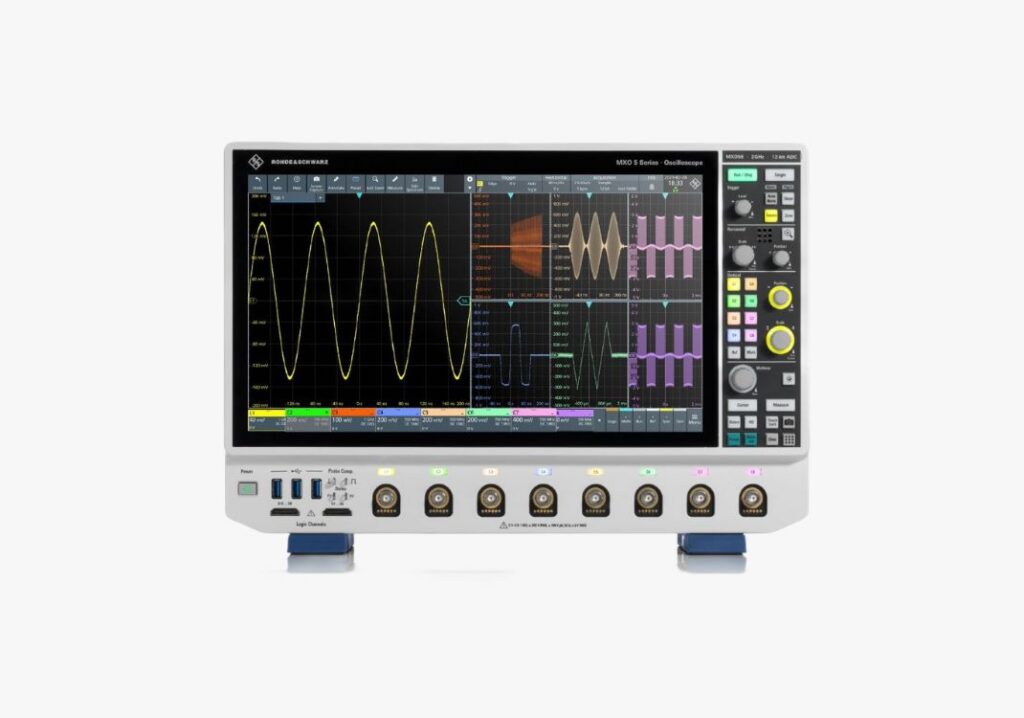
數位協定自動化
驗證方案
Soliton I3C Protocol Validation Suite
數位協議合規性的自動化驗證,使用企業級測試解決方案簡化半導體驗證
Soliton Technologies 是一家專注於數位協定驗證解決方案的公司,特別是在 MIPI I3C® 協定方面。
其 I3C Protocol Validation Suite 利用 NI 的 PXI 平台 ( PXIe-6570 / 6571 ),提供自動化的功能、時序和電氣符合性測試,涵蓋 SDR、HDR-DDR 模式、動態位址分配、In-Band Interrupts 等功能,並支援錯誤注入與容錯測試,協助半導體公司快速驗證產品的協定相容性。
什麼是 MIPI I3C®?
MIPI I3C® 是一種可擴展的中速公用與控制匯流排,廣泛用於手機、穿戴式裝置與汽車電子。目標在於簡化周邊元件與應用處理器的連接,提升整合效率並降低成本。
廣泛的產業採用
在全球智慧手機、可穿戴裝置和汽車系統中廣泛使用
可擴展架構
靈活的設計支援 SDR、HDR-DDR 模式和動態尋址
成本最佳化
相較於傳統協議,減少佈線和元件數量
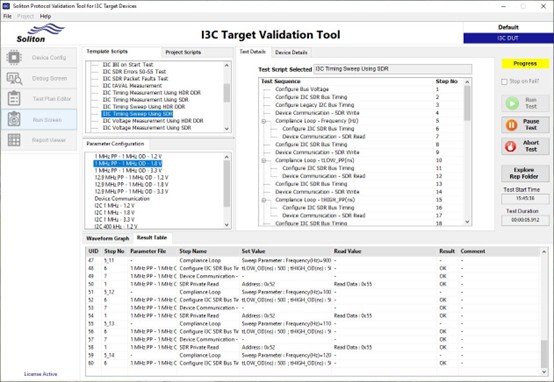
驗證挑戰
隨著 I3C 協議規範和半導體設計變得越來越複雜,傳統的手動驗證方法變得越來越低效和容易出錯。
複雜性管理
協議規範變得越來越複雜
上市時間壓力
手動驗證在產品發佈中造成延遲
合規保證
確保各種實現之間的協議相容性
錯誤檢測
有效識別邊界情況和故障狀況
Soliton I3C Validation Suite 優勢
隨著 I3C 協議規範和半導體設計變得越來越複雜,傳統的手動驗證方法變得越來越低效和容易出錯。
完全自動化測試
基於 NI PXI 平台,提供自動化、即插即用的驗證工具。
故障容錯測試
支援時序與電氣規範驗證,並可測試容錯與異常回復能力。
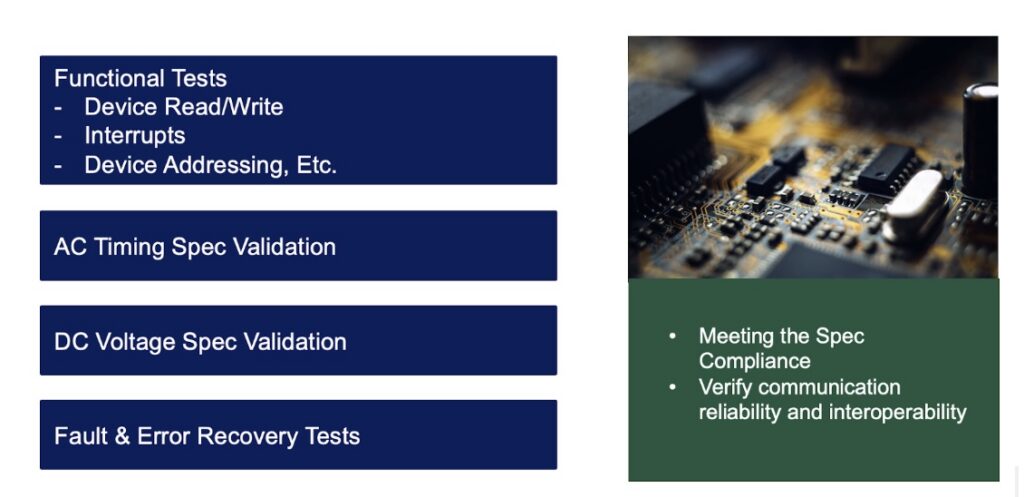
詳細報告
自動產生完整測試報告,提升除錯與驗證效率。
複雜性管理
用戶經驗顯示,可將驗證時間從數週縮短至數天。
Soliton I3C Validation Suite 組成
Soliton 的 I3C Validation Suite 是一套現成的驗證工具,搭載 NI PXI 平台,協助驗證裝置是否符合 MIPI I3C® 協定的時序與電氣規格。
其組成包含以下元件:
NI PXIe 657x
數位模式產生卡,搭配 PXIe 機箱架構
Soliton PVS 轉接板(Interposer Board)
用於測試信號路由和調節的自訂適配器板
示波器
執行電壓量測
Soliton I3C Validation Suite 軟體
支援 Windows 作業系統 (Windows 10)
MIPI I3C Protocal - Functional Coverage
- Modes
I3C SDR Mode (15 MHz)
I3C HDR-DDR Mode (15 MHz)
Legacy I2C Mode (5 MHz)
- Protocal Features
Dynamic/Statics Addressing
Direct and Broadcast CCC Commands
Start / Stop Coditions
Address Header and Transition Bit
HDR DDR Restart and Exit Patterns
Target Reset Patterns
Group Target Addressing
- Functional Tests
Register Write (Legacy I2C/SDR/HDR)
Register Read (Legacy I2C/SDR/HDR)
Write N Bytes (Legacy I2C/SDR/HDR)
Read N Bytes (Legacy I2C/SDR/HDR)
Write N – Read N Bytes (Combined Format) (Legacy I2C/SDR/HDR)
Hot Join Funtional Test
IBI Funtional Test
IBI Interrupt Spacing Test
Clock Stalling
SDR and HDR DDR CCC Commands
Compliance Test Suite (CTS)
- Fault Tests
Induce SDR Errors (S0-S5)
Induce HDR / DDR Errors
Skip Start / Stop / Repeated Start
Skip HDR Restarts / HDR Exit
Add Clock from Address / data bytes
Skip Clock from Address / data bytes
Induce Parity / Preamble Errors
Induce Error in CRCS Calculation
Any Custom Faults in SDR / HDR DRR Transactions and can Check if the Slave is able to Recover from the Faults
MIPI I3C Protocal - Parametric Coverage
-
Legacy I2C
Timing Parameters
fSCL – SCL Clock Frequency
tSU – STA – Setup Time for Repeated Start
tHD – STA – Hold Time for a (Repeated ) Start
tLow, tDIG_L – SCL Clock Low Period
tHIGH, tDIG_H – SCL Clock High Period
tSU – DAT – Data Setup Time
tHD – DAT – Data Hold Time
trCL – SCL Single Rise Time
tfCL – SCL Single Fall Time
trDA – SDA Single Rise Time
tfDA – SDA Single Fall Time
tSU_STO – Setup Time for Stop
tBUF – Bus Free Time Between a Stop and a Start
tSPIKE – Pluse Width of Spikes to Supress
-
DC Voltage
Spec Validation
fSCL – SCL Clock Frequency
tLOW_PP, tDIG_L – SCL Clock Low Period
tHIGH_PP, tDIG_H – SCL Clock High Period
tSCO – Clock in to Data out for Slave
tCR – SCL Clocl Rise Time
tCF – SCL Clocl Fall Time
tHD_PP – SDA Signal Data Hold in Push – Pull Mode
tSU_PP – SDA Signal Data Setup in Push – Pull Mode
tCASr – Clock after Repteated Start Condition
tCBSr – Clock before Repteated Start Condition
-
Open Drain
Timing Parameters
tLOW_OD, tDIG_OD_L-Low Period of SCL Clock
tHIGH_OD, tDIG_OD_H-High Period of SCL Clock
tfDA_OD – Fall Time of SDA Signal
tSU_OD – Data Setup Time During Open – Drain Mode
tCAS – Clock after Start Condition
tCBP – Clock before Stop Condition
tAVAL – Bus Available Condition
tIDLE – Bud Idle Condition
-
Electrical IO
Parameters
VIL – Low-Level Input Voltage
VIH – High-Level Input Voltage
Vhys – Schmitt Trigger Input Hysteresis
VOL – Output Low Level
VOH – Output High Level